Company Challenge in Hiring – Transforming Talent Assessment

Recruiting top talent rarely feels straightforward for tech startups in the Netherlands, the UK, and Spain. Even as digital transformation expands talent pools, the pressure to stand out in a competitive market and build authentic connections remains high. Talent acquisition now requires much more than posting jobs—it means tackling modern recruitment obstacles with smarter tools, sharper messaging, and a clear employer brand. This guide offers practical strategies to help you assess candidates more effectively and find genuine cultural fit.
Table of Contents
- Defining Company Challenge In Recruitment
- Key Types And Formats For Companies
- How Company Challenges Work In Hiring
- Benefits For Candidate Assessment And Culture Fit
- Risks, Limitations, And What To Avoid
Key Takeaways
| Point | Details |
|---|---|
| Comprehensive Strategies | Modern recruitment requires multifaceted approaches that integrate technology, employer branding, and adaptive assessment techniques. |
| Focus on Cultural Fit | Assessments should evaluate both technical skills and cultural alignment to ensure long-term employee retention and team cohesion. |
| Risk Mitigation | Companies must proactively manage recruitment risks, including unconscious bias and skill mismatches, to enhance overall hiring effectiveness. |
| Continuous Improvement | Regular audits and updates of recruitment processes are essential to maintain fairness and adapt to evolving organisational needs. |
Defining Company Challenge In Recruitment
Recruitment has evolved dramatically, transforming from traditional hiring practices to sophisticated, strategic talent acquisition processes. Modern companies face complex challenges that require innovative approaches to identifying, attracting, and retaining top talent. Talent acquisition now demands a multifaceted strategy that goes far beyond simple job postings and candidate screening.
Companies encounter significant recruitment barriers across multiple dimensions, as highlighted by strategic research on recruitment practices. These challenges include:
- Limited company visibility in competitive job markets
- Difficulty creating compelling job attractiveness
- Complex scheduling and communication processes
- Inadequate employer branding strategies
- Lack of streamlined candidate evaluation mechanisms
The contemporary recruitment landscape requires organisations to develop sophisticated approaches that address these multifaceted challenges. Digital transformation plays a crucial role in modernising recruitment strategies, enabling companies to reach wider talent pools and create more engaging candidate experiences.
Global recruitment research indicates that successful organisations are adopting comprehensive strategies to overcome traditional hiring limitations. These strategies involve leveraging technology, creating robust communication channels, and developing more nuanced approaches to talent assessment.
Key Recruitment Transformation Areas:
- Enhancing digital presence and employer branding
- Implementing automated screening technologies
- Developing strategic partnerships with educational institutions
- Creating more inclusive and efficient evaluation processes
By recognising and systematically addressing these recruitment challenges, companies can develop more effective talent acquisition strategies that align with contemporary workforce expectations.
Pro tip: Invest in creating a comprehensive digital employer brand strategy that communicates your company’s unique culture and values to potential candidates.
Key Types And Formats For Companies
Companies today have multiple assessment formats to evaluate potential candidates, each designed to provide comprehensive insights into an individual’s capabilities, potential, and cultural fit. The recruitment landscape has transformed dramatically, moving beyond traditional interview methods to more sophisticated, data-driven evaluation approaches.
Recruitment assessment methodologies encompass a range of sophisticated techniques that enable organisations to make more informed hiring decisions. These assessment types include:
- Skills tests: Practical evaluations measuring specific job-related competencies
- Cognitive ability tests: Assessments measuring problem-solving and analytical thinking
- Personality assessments: Evaluations exploring behavioural traits and workplace compatibility
- Situational judgment tests: Scenario-based evaluations testing candidate decision-making
Modern companies are increasingly recognising the importance of a holistic approach to candidate assessment. Digital assessment tools have revolutionised recruitment by providing more objective, structured, and comprehensive evaluation mechanisms that go beyond traditional recruitment methods.
These assessment formats offer unique advantages in understanding candidate potential. Cognitive ability tests, for instance, provide insights into a candidate’s learning capacity and potential for growth, while personality assessments help organisations understand cultural alignment and interpersonal dynamics.
Key Advantages of Modern Assessment Methods:
- Enhanced objectivity in candidate evaluation
- Reduced bias in recruitment processes
- More comprehensive understanding of candidate capabilities
- Improved prediction of job performance
- Better alignment between candidate skills and organisational needs
Combining multiple assessment methods provides the most comprehensive view of a candidate’s potential and suitability for a role.
Companies must strategically select and integrate these assessment formats to create a robust, fair, and effective recruitment process that identifies top talent while maintaining candidate engagement and experience.
To better understand how assessment types affect recruitment outcomes, consider this comparative overview:
| Assessment Type | Business Impact | Best Use Case |
|---|---|---|
| Skills Test | Improves job match quality | Technical roles |
| Cognitive Ability Test | Predicts learning potential | Graduate schemes |
| Personality Assessment | Enhances cultural fit | Team-based environments |
| Situational Judgement Test | Reduces real-world errors | Leadership positions |
Pro tip: Design a multi-layered assessment strategy that balances technical skill evaluation with cultural fit and potential for growth.
How Company Challenges Work In Hiring
The modern recruitment landscape presents complex challenges that demand sophisticated, strategic approaches to talent acquisition. Companies must navigate intricate processes that go far beyond traditional hiring methods, requiring a comprehensive understanding of organisational needs and candidate potential.
Recruitment selection processes reveal multifaceted challenges that organisations must systematically address. These challenges encompass several critical dimensions:
- Interview Design: Developing relevant and insightful questioning strategies
- Bias Mitigation: Creating objective evaluation frameworks
- Candidate Experience: Ensuring transparent and engaging recruitment journeys
- Strategic Alignment: Matching talent acquisition with organisational goals
Companies encounter numerous obstacles throughout the hiring process that require nuanced, adaptive strategies. Recruitment dynamics involve complex interactions between organisational requirements, candidate capabilities, and evolving workplace expectations.
The most successful organisations approach hiring as a strategic endeavour, recognising that each recruitment challenge represents an opportunity for organisational growth and transformation. Effective hiring processes integrate multiple assessment techniques, leveraging both technological tools and human insights to make informed decisions.
Key Recruitment Challenge Dimensions:
- Identifying genuine talent beyond surface-level credentials
- Overcoming unconscious biases in candidate evaluation
- Creating comprehensive assessment frameworks
- Balancing technical skills with cultural compatibility
- Developing adaptive recruitment methodologies
Successful companies view recruitment challenges not as obstacles, but as opportunities to refine their talent acquisition strategies and build more robust, diverse teams.
Navigating these challenges requires a holistic approach that combines technological innovation, psychological insights, and strategic thinking. Companies must develop flexible, dynamic recruitment processes that can adapt to changing workforce dynamics and organisational needs.
Pro tip: Implement a multi-dimensional assessment strategy that evaluates candidates holistically, considering skills, potential, and cultural alignment.
Benefits For Candidate Assessment And Culture Fit
Modern recruitment strategies have transformed the traditional approach to hiring, emphasising the critical importance of understanding candidate compatibility beyond mere technical skills. Companies now recognise that successful talent acquisition involves a holistic evaluation of an individual’s potential to thrive within organisational ecosystems.

Organisational fit research highlights the nuanced relationship between candidate assessment and cultural alignment. This approach goes far beyond simple skill matching, exploring deeper dimensions of workplace integration and team dynamics.
Key Benefits of Comprehensive Candidate Assessment:
- Enhanced team cohesion and collaboration
- Improved employee retention rates
- More accurate prediction of long-term performance
- Reduced recruitment and onboarding costs
- Greater organisational adaptability
The most sophisticated assessment methodologies integrate multiple evaluation techniques that provide a 360-degree view of candidate potential. Cultural alignment metrics have become increasingly sophisticated, enabling organisations to identify candidates who not only possess requisite skills but also demonstrate intrinsic compatibility with company values and working styles.
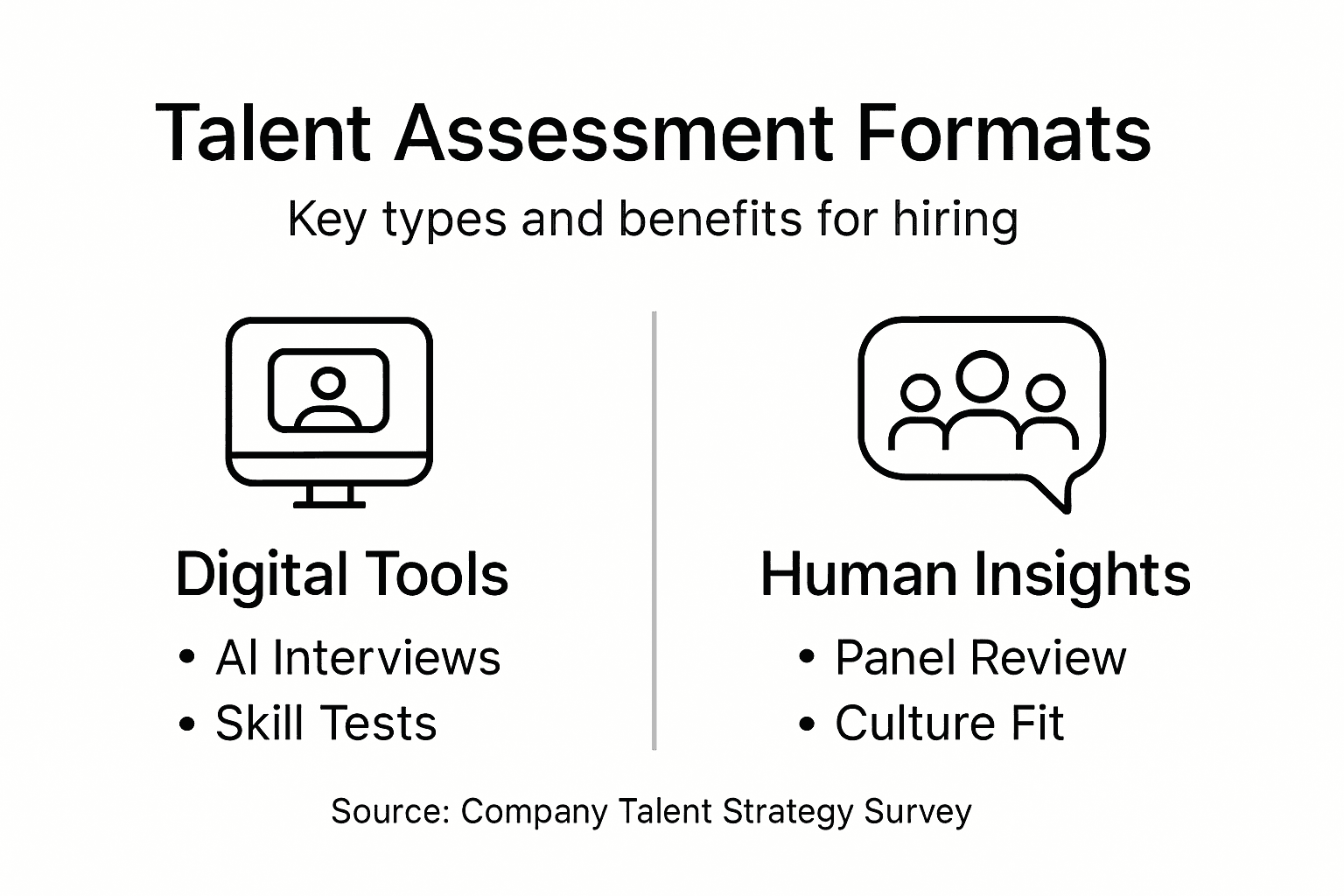
Modern assessment frameworks balance objective measurement with nuanced understanding. This approach recognises that technical competence represents only one dimension of candidate potential. Psychological assessments, situational judgment tests, and behavioural interviews provide deeper insights into an individual’s adaptive capabilities and interpersonal dynamics.
Critical Assessment Dimensions:
- Technical skill proficiency
- Emotional intelligence
- Learning agility
- Cultural value alignment
- Team collaboration potential
Effective candidate assessment transforms recruitment from a transactional process to a strategic talent acquisition approach that considers holistic organisational needs.
Navigating the complex landscape of candidate assessment requires a sophisticated, multifaceted approach that balances quantitative metrics with qualitative insights. Companies must develop flexible evaluation frameworks that can adapt to evolving workplace dynamics and emerging talent expectations.
Pro tip: Develop a comprehensive candidate assessment strategy that integrates multiple evaluation methods, balancing objective metrics with nuanced cultural compatibility insights.
Risks, Limitations, And What To Avoid
Recruitment processes are fraught with potential pitfalls that can significantly undermine an organisation’s talent acquisition strategy. Understanding these risks is crucial for developing robust, effective hiring approaches that minimise costly mistakes and protect the company’s reputation.
Common hiring challenges reveal several critical areas of potential vulnerability in recruitment processes. These risks demand strategic attention and proactive management from HR professionals and hiring managers.
Primary Recruitment Risks:
- Unconscious bias influencing candidate selection
- Skill mismatches leading to poor performance
- Inadequate candidate screening processes
- Non-compliance with legal hiring regulations
- Ineffective communication during recruitment
The most significant dangers emerge from systemic weaknesses in evaluation methodologies. Recruitment blind spots can create substantial organisational challenges, potentially resulting in costly hiring mistakes that impact team productivity and overall company performance.
Organisations must be particularly vigilant about avoiding several critical limitations in their hiring processes. These include relying too heavily on traditional CV screening, failing to assess candidate potential beyond immediate skills, and neglecting cultural compatibility assessments.
Critical Areas to Mitigate:
- Eliminate unconscious screening biases
- Develop comprehensive evaluation frameworks
- Implement multi-dimensional assessment techniques
- Ensure transparent candidate communication
- Maintain rigorous legal compliance standards
Effective risk management in recruitment transforms potential challenges into opportunities for building more resilient, diverse, and high-performing teams.
Successful companies approach recruitment as a strategic process, recognising that comprehensive risk mitigation requires continuous refinement of assessment methodologies. This demands a holistic approach that balances technological innovation with human insight and adaptability.
Here’s a summary of key recruitment risks and their long-term effects:
| Risk Area | Potential Consequence | Prevention Strategy |
|---|---|---|
| Unconscious bias | Reduces workforce diversity | Blind CV screening tools |
| Skill mismatch | Low productivity | Role-specific assessments |
| Poor communication | Damaged employer reputation | Candidate feedback mechanisms |
| Legal non-compliance | Regulatory fines | Regular hiring process reviews |
Pro tip: Regularly audit your recruitment process to identify and eliminate potential bias mechanisms, ensuring a fair and comprehensive candidate evaluation approach.
Overcome Hiring Challenges with Innovative Talent Assessment Solutions
The article highlights critical recruitment challenges such as unconscious bias, inadequate candidate screening, and the need for holistic evaluation methods including cognitive tests and cultural fit assessments. If your company struggles with outdated CV screening practices or wants to enhance objectivity and engagement in hiring, adopting advanced digital assessment tools can transform your talent acquisition strategy.
At WAOTM, we replace traditional CV screening with real assessments like AI interviews, company challenges, and video pitches. These tools align perfectly with the article’s emphasis on developing adaptive recruitment methodologies and multi-dimensional evaluation frameworks.
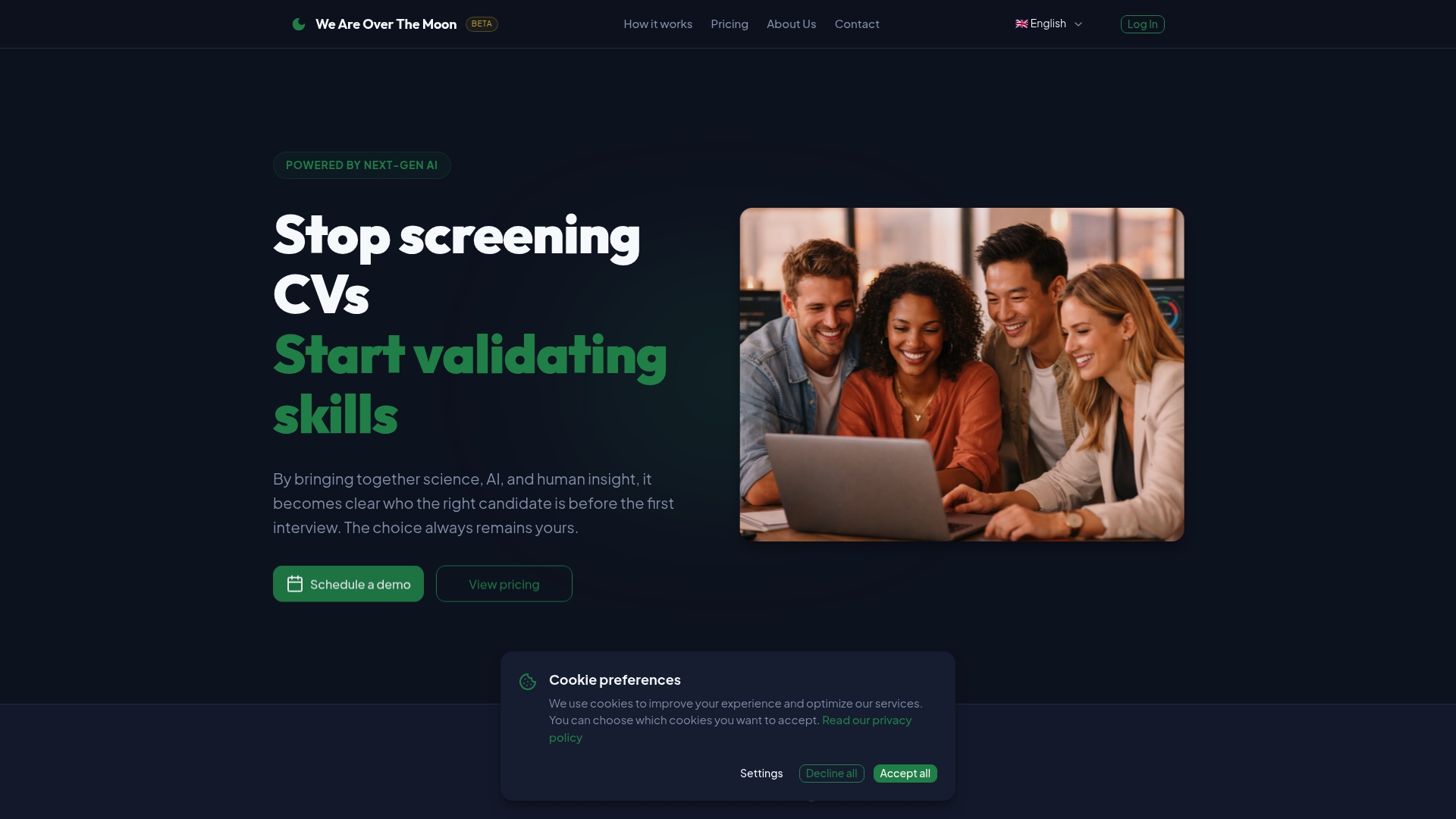
Take the next step towards smarter hiring today by exploring how our innovative platform can help you build diverse and high-performing teams. Don’t settle for surface-level credentials when you can unlock true candidate potential with WAOTM. Visit WAOTM to start transforming your recruitment process now.
Frequently Asked Questions
What are the main challenges companies face in the recruitment process?
Companies encounter challenges such as limited visibility in competitive job markets, difficulties in creating compelling job attractiveness, complex scheduling processes, inadequate employer branding, and ineffective candidate evaluation mechanisms.
How can technology improve talent assessment in hiring?
Technology can enhance talent assessment by implementing automated screening tools, creating structured evaluation frameworks, and enabling a more engaging candidate experience, leading to better-informed hiring decisions.
What assessment types should companies use to evaluate potential candidates?
Companies should consider using a variety of assessment types, including skills tests, cognitive ability tests, personality assessments, and situational judgment tests, to gain a holistic understanding of candidates’ capabilities and cultural fit.
What risks should organisations be aware of in their hiring processes?
Organisations should be vigilant about risks such as unconscious bias influencing selections, skill mismatches, inadequate candidate screening, legal non-compliance, and ineffective communication during recruitment.